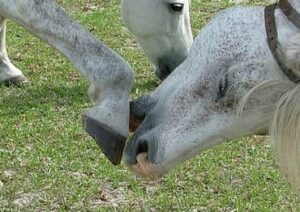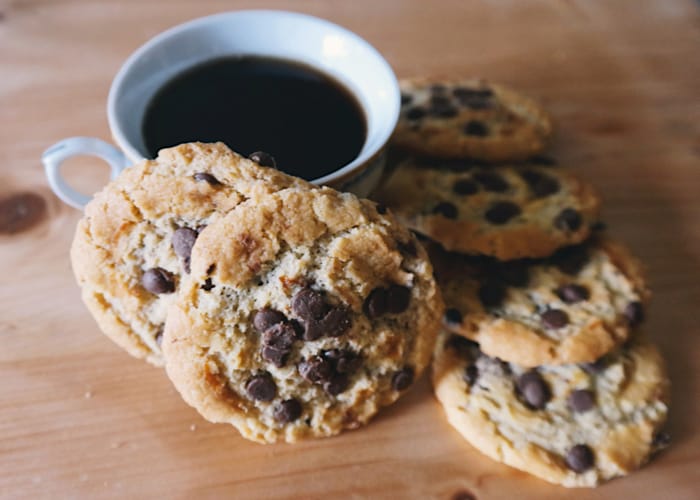
Unfortunately, there are always people who, out of ignorance or lack of care, leave their pet off the lunch table, according to the motto: What humans eat can't be bad for the animal, can it?

If your pet has eaten any of the following foods and shows the following symptoms of illness, please estimate the amount ingested and contact your veterinarian.
Alcohol and drinks containing alcohol as well as coffee and caffeine are absolutely taboo
Alcoholic beverages and foods that Alcohol can cause vomiting, diarrhoea, reduced coordination, depression of the central nervous system, breathing difficulties, tremors, abnormal blood acidity, coma and even death. Under no circumstances should an animal be given alcohol. This is especially true for small animals, because the smaller the organism, the higher the percentage of alcohol in the blood and the more dangerous it can be for the animal.
The Coffee bean and the extracts used in the production of some soft drinks contain methylxanthine, which can cause wheezing, excessive thirst and urination, hyperactivity, cardiac arrhythmia, tremors, seizures and even death.
Fruits and vegetables that are incompatible with animals
Avocado is a particular problem for birds, rabbits, donkeys, horses and ruminants, including sheep and goats. If a bird eats avocado, it can cause cardiovascular damage and quickly lead to death. Horses, donkeys and ruminants get a swollen, oedematous head and neck from avocado.
The stems, leaves, peel, pulp and seeds of the Citrus plants contain varying amounts of citric acid and essential oils, which can cause irritation and occasionally even depression of the central nervous system if ingested in large quantities. If the animal eats only small amounts of the fruit, it usually shows no more than an upset stomach.
The toxic substance in Sultanas and Grapes is not yet known, but it is certain that it can cause kidney failure in animals.
NutsAlmonds, pecans and walnuts contain high amounts of oils and fats. The fats can cause vomiting and diarrhoea, and possibly even pancreatitis in pets.
Macadamia nuts can cause weakness, depression, vomiting, tremors and hyperthermia in dogs. The first symptoms usually appear within 12 hours of ingestion and can last up to 48 hours.
In small quantities Coconut and coconut-containing products are not seriously harmful to your pet. The meat and milk of fresh coconuts contain oils that can cause stomach upset, loose stools or diarrhoea. For this reason, it is recommended not to offer coconut to your pet. Coconut water is rich in potassium and should not be given to animals.
Vegetables and herbs such as Onion, Garlic and Chives can cause gastrointestinal irritation and could also damage red blood cells. Cats are more susceptible to this, but dogs are also at risk if a sufficiently large amount is eaten.
Milk and dairy products
Because pets are high in lactase (the enzyme that breaks down the lactose in milk), milk and milk-based products cause diarrhoea or other digestive problems.
Snacks, spices and sweets do not belong in the food bowl
Salt can lead to excessive thirst and urination or even sodium ion poisoning in pets. Typical signs of salt poisoning include vomiting, diarrhoea, depression, tremors, increased body temperature, seizures and even death. Highly salty snacks such as potato crisps, pretzels, salted popcorn and savoury biscuits should therefore not be fed to animals.
Chocolate and cocoa, like coffee beans, contain methylxanthine. When pets eat chocolate, vomiting and diarrhoea, severe thirst and urination, hyperactivity, cardiac arrhythmia, tremors, seizures and even death can occur. Note that darker chocolate is more dangerous than milk chocolate. White chocolate has the lowest amount of methylxanthines, while baking chocolate contains the most.
Raw or undercooked meat, eggs and bones
Raw meat and raw eggs can contain bacteria such as salmonella and E. coli, which are harmful to pets and humans. Raw eggs contain an enzyme called avidin, which reduces the absorption of biotin (a B vitamin). This can lead to skin and coat problems.
Whilst it seems natural to give raw bones to a dog or cat, as they would eat them in the wild, complications can occur in domesticated animals. Dogs in particular can choke on bone splinters in their throats or suffer internal injuries.
Sugar and artificial sweeteners are dangerous ingredients
Products such as chewing gum, sweets, baked goods and toothpaste contain Sweeteners or refined sugar, which release insulin in the body. This can cause liver damage. The increase in insulin leads to hypoglycaemia (low blood sugar). Initial signs of intoxication are vomiting, lethargy and loss of coordination.
Be careful with raw yeast dough
Raw Yeast dough bursts and produces gas, which accumulates in the animal's digestive system. This can be very painful and can lead to a life-threatening bloating of the stomach. In addition, yeast produces ethanol as a by-product. A dog that eats raw bread dough can therefore suffer from symptoms similar to those caused by alcohol consumption.