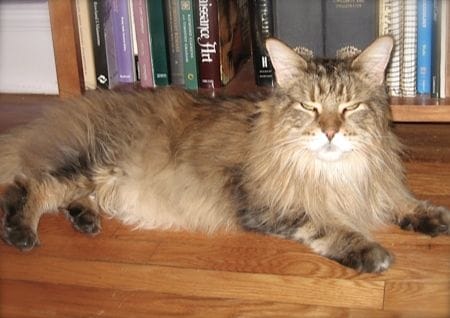
A cat that is more than 10 years old is considered a senior cat. Older cats undergo changes in their body and character that cat owners should be aware of. An older cat, like an older person, needs more care to stay healthy.

What changes in an older cat
Change in weight. The cat can gain or lose weight.
Reduced sense of smell and hearing
Light sensitivity
Heart and circulatory problems
Reduced mobility, resulting in difficulties with personal hygiene
Digestive problems
Brittle claws and dull fur
Sagging skin folds
Reduced interaction with people
Occasional "accidents" outside the litter tray
Disturbed sleep behaviour
Weaker defence system
Dental problems
Caring for the senior cat
Change the food. To prevent kidney problems, the cat needs to drink more fluids. The best way to do this is to feed more wet food instead of dry food. The cat should also have fresh water available in several easily accessible places at all times.
Special cat food for older cats is tailored to their changed nutritional requirements. It contains less protein and prevents digestive disorders.
You can't always tell when cats are in pain or suffering. As a cat owner, you should pay more attention to signs of discomfort in your cat. A cat in pain will be quieter than usual and less responsive. If you have the impression that the cat is not feeling well, take it to the vet.
Older cats' claws quickly become brittle. They should therefore be trimmed regularly so that they do not become too long and then break off.
It is important for the older cat to be regular. When she starts to get thin, offer her nutritious and tasty meals frequently.
Cats over the age of 14 often suffer from cognitive disorders that can be compared to dementia. If the cat suffers from this, it sleeps more often than usual, does its business outside the litter tray, no longer grooms itself properly or cries for no reason. If these warning signs occur, the cat should be taken to the vet.
Eye problems are not uncommon in older cats. She starts to run into furniture and has problems walking around. Deteriorating eyesight can be recognised by the film on the eyes, which becomes thicker over time. Occasionally the vet can help with an operation, but usually it is simply advisable not to leave any objects in the way to make it easier for the cat to move around.
As cats age, their teeth deteriorate. Dry food has a tooth-cleaning effect by stimulating salivation, but older cats eat less dry food or none at all. That's why you should brush your cat's teeth regularly.