When it comes to dogs' health, it is always best to look out for any symptoms of illness at an early stage. This saves yourself and your dog a lot of stress and saves money on veterinary costs in the long term, as the later an illness is treated, the more expensive the treatment will be.

To check the dog's health, there are some general signs in the dog's behaviour that can indicate illness.
Eating behaviour. A dog that has not eaten or drunk for more than 24 hours should be taken to the vet, especially if the dog usually eats with a good appetite. Occasionally dogs will "fast" for a day or half a day, but as long as they are not sick, they will still drink water.
As a dog owner, you should brush your dog once a week and examine the body. Gently run your hands over the body and check for painful areas, ulcers, wounds or inflammation.
When walking the dog, it can be determined whether the dog is walking and running normally and without pain. If there are signs of stiffness, lameness, tiredness, extreme panting or coughing, the dog should be examined more closely and observed.
Obesity is also a problem for dogs. Unlike cats, dogs tend to eat everything you give them, even when they are already full. In order not to overfeed your dog, you should ensure a healthy diet that is appropriate for the breed and size. If necessary, seek advice from a vet.
You should look for diarrhoea, constipation, blood and mucus in the dog's stools. If the urine is dark, cloudy or contains blood, the dog should be taken to the vet immediately.
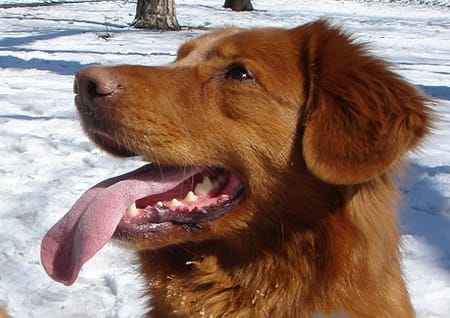
Examine the mouth regularly. Gums with healthy oral flora are pink in colour; dark spots indicate possible problems. If there are ulcers, rotten or loose teeth and sores on the tongue, the vet should be consulted. Bad breath is usually a sign of digestive problems.
The healthy dog's eyes are clear and the pupils are both the same size. Ingrown eyelashes and eye irritation can cause problems.
The dog's nose should be moist and cool. A hot and dry nose, nasal discharge, frequent sneezing and breathing difficulties should be treated by a vet.
After a walk, check the dog's paws for wounds, ulcers and excessively long claws.
Finally, it is worth examining the dog's ears. Too much earwax can be carefully removed with a cotton wool ball, but never stick a cotton bud into the ears. Swelling and foul odours in the ears should be checked by a vet.