As a horse lover or horse owner, you should know a little about your horse's health. A sick horse shows certain signs that the carer can recognise and use to see if the horse is seriously ill and needs veterinary help. Untreated illnesses can lead to unnecessary complications that are not only detrimental to the horse's health, but also often very costly.
Horses have a way of expressing body language when they are not feeling well or are in pain.
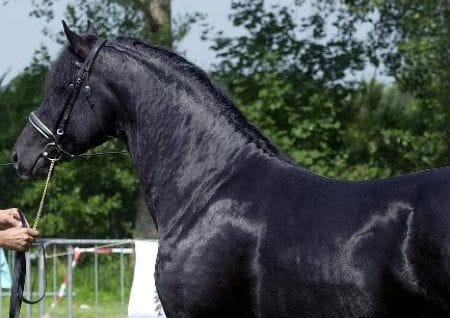
Appearance: A healthy horse either stands evenly on all four legs or relaxes one of the hind legs. The front legs are never relieved as a form of relaxation, but only if the horse is in pain there. The coat of a healthy horse is shiny and smooth on the body. One of the first signs that something is wrong is if the horse stands unevenly, lies in an unusual position, e.g. on its side, or sits like a dog. The coat will look dull and roughened. A sick horse or a horse in pain will move slowly and listlessly and barely respond to the groom.

The eyes often reveal how a horse is feeling. A healthy horse has a watchful gaze, while that of a sick horse appears introverted. The edges of the eyes are the same pink colour as the nostrils. The breathing should be calm and without loud noises. Breathing that is too slow or loud indicates a health problem.
The legs should not be swollen and should feel normally warm. If the legs are too hot, it may also indicate an inflammation in the body. The normal body temperature of a horse is between 38 and 41 degrees. The skin should be soft and moist, but not sweaty, dry or tight. Depending on the age of the horse, the normal pulse rate is between 33 and 40 beats per minute. The pulse rate can be felt at the artery on the jaw.
Mucous membranes often swell or become discoloured during illness. The nostrils of sick horses are flat and long, often sticky with yellow or green mucus.
A healthy horse has a healthy appetite. It is a bad sign if a horse does not want to eat and turns away from the food offered. In a healthy horse, the intestines occasionally make digestive noises. The faeces and urine should be of normal consistency and colour. Abnormal urine colour, e.g. dark yellow or difficulty urinating or defecating, indicates disease.
If a horse shows such signs, veterinary help is usually required. The vet can find out the cause and treat the horse. If you are unsure, you should not hesitate to call the vet as a precaution.